


Best Camping Gear Checklist: What to Pack for Camping in Canada
NaveeScooters
Table of Contents
Packing for a camping trip in Canada can get complicated quickly. You need enough gear for changing weather, meals, sleep, and emergencies without filling your vehicle with things you never use. This camping gear checklist covers the essentials, useful extras, and final checks that can help you pack with more confidence.
Start With the Camping Essentials
Before adding comfort items, make sure the basic needs of shelter, food, water, lighting, and safety are covered. These items form the foundation of almost every camping setup.
Shelter and Sleeping Gear
Start with a weather-appropriate tent, sleeping bag, and sleeping pad. Bring a groundsheet or tent footprint if your tent requires one. Canadian weather can change quickly, especially in spring, fall, mountain regions, and northern areas. Check the overnight forecast rather than relying only on daytime temperatures. A warm sleeping setup can matter more than packing extra clothing after you are already cold.
Food and Water Basics
Bring enough food for every planned meal, plus a small amount of extra shelf-stable food in case your trip runs longer than expected. Pack drinking water or confirm that your campground provides potable water. You will also need a camp stove, fuel, basic cookware, eating utensils, and suitable food storage.

Lighting and Safety Items
Every camper should have easy access to a flashlight or headlamp. Bring spare batteries or another reliable way to recharge your lights. Your basic safety gear should also include a first aid kit, sun protection, insect repellent, weather-appropriate clothing, and emergency contact information.
Pack the Right Shelter and Sleep Setup
A poor night's sleep can make even a beautiful campsite difficult to enjoy. Your sleep system should match your group, campsite, and expected temperatures.
Choose a Tent for Your Group Size
Do not choose a tent based only on its advertised sleeping capacity. A four person tent may technically fit four sleeping bags, but it can feel crowded once backpacks and other equipment are inside. For more comfort, consider sizing up when car camping. Also check that the tent includes good ventilation, a rainfly, strong stakes, and enough space for your sleeping setup.
Match Your Sleeping Bag to Night Temperatures
Look at the sleeping bag's temperature rating and compare it with the lowest temperature expected during your trip. Give yourself some margin if you sleep cold. Wearing dry base layers and a warm hat can also help during colder nights, but clothing should support an appropriate sleeping bag rather than replace one.
Add a Sleeping Pad for Warmth and Comfort
A sleeping pad does more than soften the ground. It also helps reduce heat loss between your body and the cold ground. For colder conditions, check the pad's insulation rating. For summer car camping, comfort may be your main priority, so a thicker inflatable or self-inflating pad may work well.
Build a Simple Camp Kitchen
Your camp kitchen does not need to be complicated. Focus on equipment that lets you safely prepare, eat, store, and clean up after meals.
Pack a Stove, Fuel, and Cookware
Bring a camping stove that suits the meals you plan to cook. Check the fuel level before leaving instead of assuming that a partly used canister will last. For most trips, one pot, one pan, a cutting tool, utensils, plates, cups, and a lighter may be enough. Pack only cookware you actually expect to use.
Plan Food Storage and Cleanup
Keep food sealed and protected from wildlife. Follow the food storage requirements of your specific campground, since regulations and wildlife concerns vary by location. Bring garbage bags, biodegradable soap where appropriate, a washing container, and reusable towels. Never leave food scraps or garbage around your site.
Bring Enough Drinking Water
Calculate water for drinking first, then add what you need for cooking and basic cleanup. If you plan to collect water from natural sources, bring an appropriate filtration or purification method. Do not assume that clear-looking lake or stream water is safe to drink untreated.
Bring Safety and Emergency Gear
Even front country camping can involve weather changes, minor injuries, dead batteries, or unreliable cell service. A few basic emergency items can prevent small problems from becoming bigger ones.
Pack a First Aid Kit
Your first aid kit should cover common camping problems such as small cuts, scrapes, blisters, burns, and insect bites. Include any personal medications your group needs. Check expiration dates and replace used supplies before each major trip.
Carry Navigation and Communication Tools
Download campground information and offline maps before leaving areas with reliable cell service. A printed map can provide useful backup. For remote camping, consider whether your route requires a satellite communication device or other emergency communication equipment. Tell someone where you are going and when you plan to return.
Prepare for Power or Equipment Problems
Keep essential electronics charged before departure and bring the correct charging cables. A portable battery pack can help keep phones and small electronics operating. For vehicle camping, basic vehicle emergency equipment is also worth carrying, especially when traveling far from major towns.
Add Useful Camping Extras
Once the essentials are covered, a few extra items can make setting up camp and moving equipment much easier.
Camp Chairs and Tables
Camp chairs give you a comfortable place to eat, relax, or sit around the campsite. A folding table is particularly useful when your campsite does not include a picnic table.
Choose compact equipment when storage space is limited. Heavier furniture usually makes more sense for car camping than for trips where gear needs to be carried long distances.
Electric Camping Wagon for Moving Gear

A camping wagon can be useful when the parking area is separated from your campsite or when you are moving coolers, tents, chairs, water containers, and other bulky supplies.
For heavier loads, an electric wagon can reduce the amount of manual pulling needed. The NAVEE E-Wagon 4X, for example, uses a four wheel drive system, all-terrain tires, and a 183 L cargo area. NAVEE lists a maximum load capacity of 771 pounds, although users should always stay within the manufacturer's limits and consider the terrain before loading it heavily.
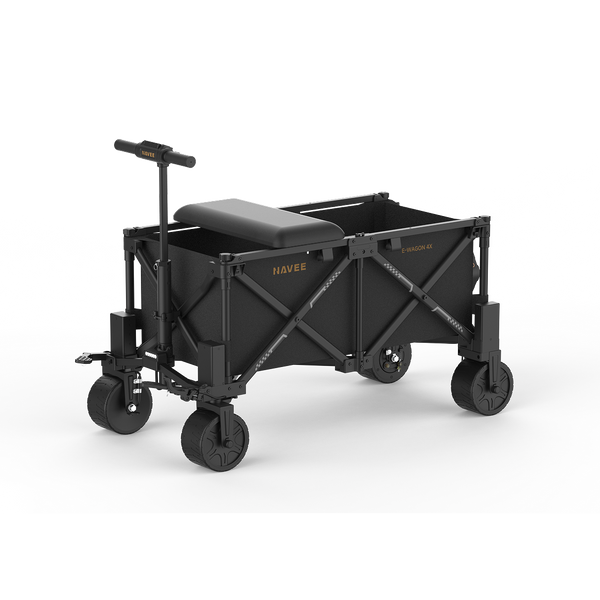
An electric wagon makes the most sense for larger camps, family trips, and campsites where gear needs to travel farther from the vehicle. Before bringing one, check whether motorized carts are permitted at your campground and whether the trails are wide enough for safe use.
Portable Power and Charging Gear
Portable power is useful for phones, lights, cameras, and other rechargeable equipment. Choose capacity based on what you actually need to charge and how long you will be away. Keep batteries protected from excessive heat, moisture, and physical damage.
Tools and Repair Supplies
A small repair kit can solve many common campsite problems. Useful items may include a multi-tool, tent repair patches, cord, spare stakes, and basic tape. Avoid packing a large toolbox unless your trip or equipment specifically requires it.
Check Everything Before You Leave
A final check helps you catch missing essentials while removing things that are unlikely to be used.
Review Campsite Facilities and Rules
Check the official information for your campground before packing. Confirm whether the site has potable water, toilets, showers, fire pits, picnic tables, electrical hookups, or food storage facilities. Also review current fire restrictions, wildlife rules, quiet hours, and equipment restrictions.
Remove Gear You Do Not Need
Packing more does not automatically make you better prepared. Look at your planned activities and remove duplicate cookware, unnecessary clothing, oversized furniture, and equipment with no clear purpose. Keep emergency supplies even if you hope you will not need them.
Use a Final Packing Checklist
Divide your checklist into simple categories such as shelter, sleep, clothing, kitchen, water, safety, lighting, personal items, and campsite extras. Check each item as it enters the vehicle rather than when you place it beside the door. This simple habit helps prevent important gear from being left at home.
Final Thoughts
The best camping gear checklist is not the longest one. It is the one that matches your campsite, weather, group size, and planned activities. Start with shelter, sleep, food, water, and safety. Then add comfort equipment and hauling tools when they solve a real problem. Before leaving, check the weather and official campground information one final time so your packing list reflects the conditions you will actually face.
FAQs
What Are the Most Essential Things to Pack for Camping?
The essentials are a suitable tent, sleeping bag, sleeping pad, food, drinking water, cooking equipment, weather-appropriate clothing, lighting, and a first aid kit. Navigation and emergency communication equipment become more important when camping in remote areas.
What Is the 3-3-3 Rule When Camping?
The 3-3-3 rule is commonly used by RV campers as a travel planning guideline. One version recommends driving no more than about 300 miles, or roughly 480 kilometres, arriving by 3 p.m., and staying for about three nights before moving again. It is a guideline rather than an official camping rule.
What Are Some Fun Activities for Camp?
Popular options include hiking, fishing where permitted, wildlife watching from a safe distance, photography, paddling, camp games, stargazing, and cooking outdoors. Choose activities based on the campground, weather, and experience level of your group.
Is an Electric Camping Wagon Useful at Campsites?
It can be, particularly when equipment must be moved between a parking area and the campsite. An electric wagon is most useful for heavier coolers, tents, chairs, water, and other bulky gear. Check campground rules and trail conditions before using one.
What Camping Gear Can an Electric Wagon Carry?
Depending on its rated capacity, an electric wagon can carry tents, sleeping equipment, coolers, folding chairs, tables, water containers, cooking supplies, and other camping equipment. Keep the load balanced, secure loose items, and never exceed the manufacturer's stated load limit.