


Lois sur les trottinettes électriques au Canada en 2026 : Guide par province
NaveeScooters
Table of Contents
Les trottinettes électriques sont légales dans certaines régions du Canada, mais il n’existe pas de règle nationale unique. Chaque province ou territoire établit son propre cadre, et les municipalités peuvent décider si les trottinettes électriques peuvent être utilisées localement et où les conducteurs peuvent les utiliser.
Cela signifie qu’une trottinette électrique peut être légale dans une ville, mais interdite dans une autre ville de la même province. Avant de rouler, vérifiez les réglementations provinciales et les règlements municipaux.
Ce guide a été révisé en juillet 2026 et est fourni à titre d’information générale seulement. Les règlements et les programmes pilotes peuvent changer, alors confirmez toujours les dernières règles auprès des sources gouvernementales officielles.
Les trottinettes électriques sont-elles légales au Canada?
Les trottinettes électriques sont autorisées dans certaines provinces et municipalités participantes, sous réserve des règles concernant :
-
L’âge minimum du conducteur
-
Le port du casque
-
La vitesse maximale
-
La puissance du moteur et le poids du véhicule
-
Les routes et pistes cyclables autorisées
-
Les restrictions sur les trottoirs
-
L’équipement d’éclairage et de freinage
-
Les restrictions relatives aux passagers et aux marchandises
L’achat d’une trottinette électrique ne signifie pas nécessairement qu’elle peut être légalement utilisée sur la voie publique. Dans certaines juridictions, la possession et l’utilisation sur des propriétés privées sont autorisées, tandis que l’utilisation publique reste interdite.

Lois sur les trottinettes électriques par province
| Province | Statut général | Règles importantes |
|---|---|---|
|
Alberta |
Principalement réglementé par les municipalités |
Les règles diffèrent entre les villes et entre les trottinettes privées et partagées |
|
Colombie-Britannique |
Légal dans les communautés participantes |
Âge minimum 16 ans, casque obligatoire, vitesse maximale 25 km/h |
|
Manitoba |
La réglementation est toujours en développement |
Ne supposez pas que l’utilisation sur la voie publique ou les trottoirs est autorisée |
|
Nouveau-Brunswick |
La classification des appareils et les règles locales varient |
Confirmez les exigences de permis, d’immatriculation et d’utilisation de la route localement |
|
Terre-Neuve-et-Labrador |
Pas de réponse simple à l’échelle de la province |
Confirmez la classification de la trottinette avant de l’utiliser sur la voie publique |
|
Nouvelle-Écosse |
Permis en vertu des règles provinciales et municipales |
Âge minimum 14 ans, casque obligatoire, les municipalités contrôlent les zones autorisées |
|
Ontario |
Programme pilote d’adhésion municipale |
Âge minimum 16 ans et vitesse maximale 24 km/h dans les municipalités participantes |
|
Île-du-Prince-Édouard |
Légal en vertu des réglementations provinciales |
Âge minimum 16 ans, casque obligatoire, vitesse maximale 24 km/h |
|
Québec |
Légal en tant que dispositif de mobilité personnelle motorisé |
Âge minimum 14 ans, casque obligatoire, vitesse maximale 25 km/h |
|
Saskatchewan |
La municipalité décide d’autoriser ou non l’utilisation |
Âge minimum 16 ans et casque obligatoire là où l’utilisation publique est autorisée |
Lois sur les trottinettes électriques en Ontario
L’Ontario exploite un programme pilote de trottinettes électriques qui permet aux municipalités individuelles de décider si les trottinettes électriques peuvent être utilisées localement. Le règlement pilote provincial devrait actuellement rester en vigueur jusqu’au 27 novembre 2029.
Dans les municipalités participant au programme pilote :
-
Les conducteurs doivent être âgés d’au moins 16 ans.
-
Les conducteurs de moins de 18 ans doivent porter un casque de vélo.
-
La vitesse maximale autorisée est de 24 km/h.
-
La puissance du moteur ne doit pas dépasser 500 watts.
-
Un seul conducteur est autorisé.
-
Les passagers et les marchandises sont interdits.
-
Les trottinettes électriques ne peuvent pas être utilisées sur les autoroutes à accès contrôlé.
-
Les municipalités déterminent les routes, pistes cyclables et sentiers autorisés.
La participation au programme pilote de l’Ontario ne rend pas automatiquement les trottinettes électriques légales dans toute la province. Les conducteurs doivent vérifier les règlements de la municipalité où ils prévoient de rouler.
Source officielle : Règlement de l’Ontario 389/19
Les trottinettes électriques sont-elles légales à Toronto?
Non. Toronto n’a pas adhéré au programme pilote de trottinettes électriques de l’Ontario, il est donc illégal de rouler en trottinette électrique sur les routes publiques, les trottoirs, les pistes cyclables, les sentiers, les chemins ou les parcs.
Lisez notre guide complet : Les trottinettes électriques sont-elles légales à Toronto?
Lois sur les trottinettes électriques en Colombie-Britannique
La Colombie-Britannique exploite un programme pilote provincial de trottinettes électriques. Cependant, les routes à l’intérieur des municipalités ne sont incluses que si la municipalité participe au programme pilote. Des règles limitées autorisent également la circulation sur certaines autoroutes provinciales en dehors des limites municipales.
Les principales exigences provinciales comprennent :
-
Les conducteurs doivent être âgés d’au moins 16 ans.
-
Un casque de vélo approuvé est obligatoire.
-
La vitesse maximale de l’appareil est de 25 km/h.
-
La puissance du moteur ne doit pas dépasser 500 watts.
-
Le poids total de la trottinette ne doit pas dépasser 45 kg.
-
Une seule personne peut monter sur la trottinette.
-
Les passagers et le remorquage sont interdits.
-
Des feux avant et arrière sont requis pour la conduite de nuit.
-
L’utilisation du téléphone portable et la conduite sous influence sont interdites.
-
La circulation sur les trottoirs est généralement interdite, sauf autorisation spécifique.
L’utilisation en dehors des municipalités participantes est limitée. Sur certaines autoroutes en dehors des limites municipales, la circulation peut être autorisée uniquement là où une piste cyclable est disponible.
Source officielle : Règles de la Colombie-Britannique pour les trottinettes électriques
Lois sur les trottinettes électriques au Québec
Le Québec classe les trottinettes électriques comme des dispositifs de mobilité personnelle motorisés.
Les principales exigences sont :
-
Les conducteurs doivent être âgés d’au moins 14 ans.
-
Un casque est obligatoire.
-
Un permis de conduire n’est pas requis.
-
La vitesse maximale de la trottinette doit être limitée à 25 km/h.
-
La circulation est autorisée sur les routes dont la limite de vitesse est de 50 km/h ou moins.
-
Certaines pistes cyclables peuvent également être utilisées.
-
La circulation sur les trottoirs est interdite.
-
Les passagers, les remorques et le remorquage sont interdits.
-
Les conducteurs doivent respecter les règles de circulation qui s’appliquent généralement aux cyclistes.
-
Les municipalités peuvent interdire les trottinettes électriques sur certaines routes ou pistes cyclables.
La trottinette doit également satisfaire aux exigences du Québec en matière de poids, de taille de roue, de systèmes de freinage, de feux, de réflecteurs et de vitesse de coupure du moteur.
Pour les zones de circulation spécifiques au Québec, les règles d’équipement et les amendes, lisez notre guide complet sur les lois sur les trottinettes électriques au Québec.
Source officielle : Règles du Québec pour les trottinettes électriques
Lois sur les trottinettes électriques en Alberta
L’Alberta n’accorde pas d’autorisation générale de circulation sur la voie publique pour toutes les trottinettes électriques privées. Les règles dépendent fortement de la municipalité et du fait que la trottinette soit privée ou fasse partie d’un programme de partage de trottinettes approuvé.
Calgary et Edmonton, par exemple, peuvent établir des règles différentes concernant :
-
L’âge minimum
-
L’utilisation des trottoirs
-
Les pistes cyclables
-
Les routes autorisées
-
La vitesse maximale de fonctionnement
-
Le stationnement
-
Les trottinettes partagées par rapport aux trottinettes privées
Ne supposez pas que les règles s’appliquant à une trottinette de location s’appliquent également à une trottinette personnelle. Vérifiez les pages actuelles des transports municipaux et des règlements avant de rouler.
Sources officielles : Ville de Calgary et Ville d’Edmonton.
Lois sur les trottinettes électriques au Manitoba
Le Manitoba a adopté le projet de loi 43 le 1er juin 2026, créant un cadre juridique pour les véhicules électriques personnels, y compris les trottinettes électriques. Cependant, la loi n’entre en vigueur qu’à une date fixée par proclamation.
Une fois en vigueur, le cadre exigera généralement que les conducteurs de trottinettes électriques aient au moins 16 ans, portent un casque, ne dépassent pas 25 km/h et restent en dehors des autoroutes affichant une limite de vitesse supérieure à 50 km/h. Jusqu’à ce que la date d’entrée en vigueur et les règles locales applicables soient confirmées, les conducteurs ne doivent pas supposer que ces exigences autorisent déjà l’utilisation sur la voie publique.
Les trottinettes électriques restent également interdites sur les sentiers et les plages des parcs provinciaux du Manitoba.
Sources officielles : Manitoba S.M. 2026, c. 36 et Parcs du Manitoba.
Lois sur les trottinettes électriques en Nouvelle-Écosse
La Nouvelle-Écosse reconnaît les trottinettes électriques dans sa législation sur les véhicules automobiles, mais les municipalités décident où elles peuvent être utilisées.
Les règles générales comprennent :
-
Les conducteurs doivent être âgés d’au moins 14 ans.
-
Un casque est obligatoire.
-
La vitesse maximale provinciale est de 32 km/h.
-
Les municipalités peuvent établir une limite de vitesse inférieure.
-
Les municipalités décident si les trottinettes sont autorisées sur les routes, les trottoirs ou les voies partagées.
-
Les conducteurs doivent utiliser les pistes cyclables disponibles lorsque cela est requis.
-
Une seule personne peut rouler à la fois.
-
Le remorquage et les figures sont interdits.
-
Les trottinettes électriques ne sont pas autorisées sur les autoroutes provinciales.
Comme les zones de circulation autorisées varient, vérifiez le règlement municipal local avant d’utiliser une trottinette électrique.

Lois sur les trottinettes électriques à l’Île-du-Prince-Édouard
Les trottinettes électriques sont légales à l’Île-du-Prince-Édouard lorsque la trottinette et le conducteur répondent aux exigences provinciales.
Les règles principales comprennent :
-
Les conducteurs doivent être âgés d’au moins 16 ans.
-
Un casque de vélo bien ajusté est obligatoire.
-
Un permis de conduire, l’immatriculation, l’assurance et une plaque d’immatriculation ne sont pas requis.
-
La puissance maximale du moteur est de 500 watts.
-
La vitesse maximale autorisée est de 24 km/h.
-
La trottinette doit avoir des freins, des lumières et une sonnette ou un klaxon.
-
La conduite sur les trottoirs est interdite.
-
La conduite est interdite sur les autoroutes dont la limite de vitesse est supérieure à 60 km/h.
-
Une seule personne peut utiliser la trottinette.
-
Les règlements municipaux peuvent imposer des restrictions supplémentaires.
Source officielle : Règles concernant les trottinettes électriques à l’Île-du-Prince-Édouard
Lois sur les trottinettes électriques en Saskatchewan
La Saskatchewan permet aux municipalités de décider si les trottinettes électriques peuvent être utilisées sur les routes publiques.
Là où les trottinettes électriques sont autorisées :
- Les conducteurs doivent généralement être âgés d’au moins 16 ans.
- La vitesse de fonctionnement maximale est de 24 km/h.
- Un casque approuvé est requis.
- Un permis de conduire et l’immatriculation du véhicule ne sont pas requis.
- Un seul conducteur est autorisé.
- La conduite est généralement limitée aux routes dont la limite de vitesse est de 50 km/h ou moins.
- Les municipalités déterminent les rues, pistes cyclables et sentiers autorisés.
- Des règles locales de vitesse et de stationnement peuvent s’appliquer.
Vérifiez le règlement municipal applicable avant de conduire.
Source officielle : Informations sur les trottinettes électriques de la SGI
Nouveau-Brunswick, Terre-Neuve-et-Labrador et les Territoires
Les règles au Nouveau-Brunswick, à Terre-Neuve-et-Labrador, au Yukon, dans les Territoires du Nord-Ouest et au Nunavut peuvent dépendre de la classification de l’appareil en vertu de la législation existante sur les véhicules automobiles.
Une trottinette électrique pourrait potentiellement être traitée différemment en fonction de :
-
La puissance de son moteur
-
Sa vitesse maximale
-
Son poids
-
La configuration de ses roues
-
Son siège
-
Son identification du véhicule et son admissibilité à l’immatriculation
Évitez de vous fier aux règles écrites pour les cyclomoteurs, les scooters de mobilité, les motocyclettes ou les vélos électriques à moins que le gouvernement ne déclare explicitement qu’elles s’appliquent aux trottinettes électriques à béquille.
Avant d’utiliser une trottinette électrique sur la voie publique, contactez le ministère provincial ou territorial des transports et vérifiez les règlements municipaux.
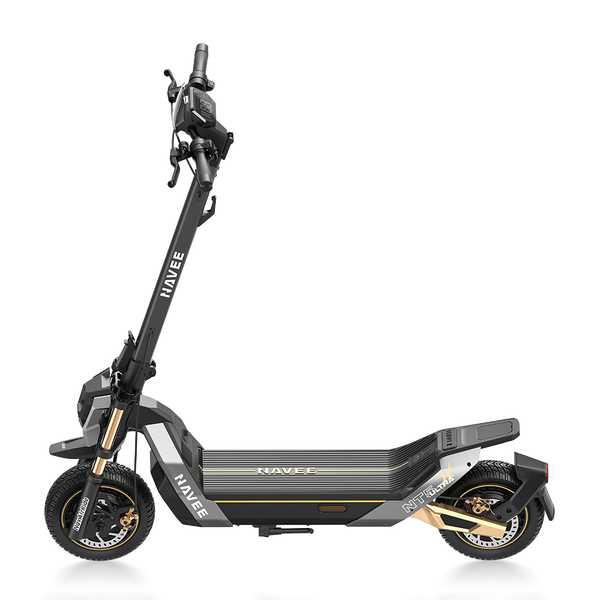
$1,559.99
$2,799.99
Vitesse maximale de 64 km/hAutonomie de 90 km en mode ÉcoDouble suspensionSécurité intelligente
Shop Now
Peut-on rouler en trottinette électrique sur le trottoir ?
Généralement non.
La conduite sur les trottoirs est interdite dans de nombreuses juridictions canadiennes car les trottoirs sont principalement destinés aux piétons. Cependant, certaines municipalités peuvent créer des exceptions limitées ou désigner des chemins partagés spécifiques.
Un chemin partagé, une piste cyclable et un trottoir ne sont pas légalement interchangeables. Vérifiez toujours comment l’itinéraire est classé.
Faut-il un permis pour conduire une trottinette électrique ?
Un permis de conduire séparé n’est pas requis pour de nombreuses trottinettes électriques standard au Canada. Cependant, les exigences varient selon la province, la municipalité et la classification du véhicule.
Pour plus de détails, lisez notre guide : Avez-vous besoin d’un permis pour conduire une trottinette électrique ?
Quelle est la vitesse maximale des trottinettes électriques au Canada ?
Il n’y a pas de limite de vitesse nationale pour les trottinettes électriques.
Les limites courantes incluent :
-
Municipalités pilotes de l’Ontario : 24 km/h
-
Communautés pilotes de la Colombie-Britannique : 25 km/h
-
Québec : 25 km/h
-
Île-du-Prince-Édouard : 24 km/h
-
Nouvelle-Écosse : jusqu’à 32 km/h, les municipalités pouvant fixer des limites inférieures
- Municipalités de la Saskatchewan qui autorisent les trottinettes électriques : 24 km/h
Une trottinette capable de rouler plus vite que la limite locale peut ne pas être considérée comme une trottinette électrique légale, même si le conducteur a l’intention de rouler lentement.
Que faut-il vérifier avant d’acheter une trottinette électrique au Canada ?
Avant d’acheter une trottinette électrique, assurez-vous que votre ville autorise les trottinettes électriques personnelles et comparez la vitesse régulée du modèle, la puissance du moteur, le poids, la taille des roues, le système de freinage et l’équipement d’éclairage avec les exigences locales. Une trottinette peut être légalement vendue au Canada, mais rester interdite sur les routes publiques.
Liste de contrôle de sécurité des trottinettes électriques
Avant chaque trajet :
-
Confirmez que votre municipalité autorise les trottinettes électriques.
-
Vérifiez quelles routes, pistes cyclables et sentiers sont autorisés.
-
Portez un casque approuvé.
-
Assurez-vous que les freins, la sonnette et les lumières fonctionnent.
-
Respectez la limite de vitesse locale.
-
Ne transportez pas de passagers.
-
Restez hors des trottoirs, sauf si les règles locales l’autorisent explicitement.
-
N’utilisez pas de téléphone ou d’écouteurs pendant que vous roulez.
-
Ne conduisez jamais sous l’influence de l’alcool ou de drogues.
-
Revérifiez les réglementations locales lorsque vous vous rendez dans une autre ville.
Conclusion
Les lois sur les trottinettes électriques au Canada dépendent à la fois des réglementations provinciales et des règlements municipaux. Une règle qui s’applique à Vancouver, Ottawa ou Montréal peut ne pas s’appliquer à Calgary, Winnipeg ou Toronto.
Avant de rouler, vérifiez trois choses : si votre municipalité autorise les trottinettes électriques, si votre trottinette répond aux exigences techniques légales et quelles routes ou chemins peuvent être utilisés. Le port du casque et le respect des pratiques de sécurité similaires à celles du vélo restent judicieux même là où ils ne sont pas obligatoires.
underage kids (around 14 years old) continue to use their e-scooter on sidewalk. Walking is becoming dangerous. Holding these kids responsible for any injury to a pedestrian will be impossible.