


Guide des batteries de trottinettes électriques : types, spécifications, performances et sécurité
NaveeScooters
Table of Contents
La batterie d'une trottinette électrique a un impact sur bien plus que l'autonomie. Elle influence également les performances, le poids de la trottinette, le temps de charge, la portabilité et les coûts d'entretien à long terme.
Cependant, des spécifications telles que la tension, les ampères-heures et les watts-heures peuvent être difficiles à comparer. Ce guide explique les principaux types de batteries de trottinettes électriques, les spécifications courantes et comment choisir un système de batterie adapté à vos besoins quotidiens.
Comment fonctionne la batterie d'une trottinette électrique ?
La batterie d'une trottinette électrique contient des cellules connectées en série pour augmenter la tension et en parallèle pour augmenter la capacité. L'ensemble comprend également le câblage, les connecteurs, un boîtier de protection et un système de gestion de batterie (BMS). Il alimente le contrôleur, qui régule la puissance fournie au moteur.
Étant donné que la batterie, le contrôleur et le moteur fonctionnent ensemble, la tension ou la capacité de la batterie seule ne détermine pas la vitesse, l'accélération ou l'autonomie d'une trottinette.
Quels sont les principaux types de batteries de trottinettes électriques ?
La plupart des trottinettes électriques modernes utilisent des batteries lithium-ion, car elles stockent une énergie relativement élevée dans un ensemble compact et léger.
Les types de batteries courantes comprennent :
- Batteries NMC : Offrent une densité énergétique relativement élevée pour les trottinettes portables et à longue autonomie.
- Batteries LiFePO4 : Privilégient la stabilité thermique et la durabilité des cycles, mais peuvent être plus lourdes pour la même énergie stockée.
- Batteries lithium-polymère : Utilisent souvent des cellules de type poche pour des conceptions de batterie flexibles, mais nécessitent toujours une protection physique et thermique.
- Batteries plomb-acide : Coûtent moins cher initialement, mais sont plus lourdes et stockent moins d'énergie pour leur taille. Elles sont rares dans les trottinettes de banlieue modernes.
La chimie de la batterie n'est qu'un facteur. La qualité des cellules, la construction de l'ensemble, la conception du BMS, la température et les habitudes de charge affectent également les performances, la durée de vie et la sécurité.
| Description de la batterie | Poids relatif | Densité énergétique | Principal avantage | Utilisation typique |
|---|---|---|---|---|
|
Lithium-ion NMC |
Faible à modéré |
Élevée |
Stockage d'énergie compact |
Trottinettes portables et longue autonomie |
|
LiFePO4 |
Modéré |
Modérée |
Stabilité et durabilité |
Systèmes de batteries spécialisés |
|
Lithium-polymère |
Faible |
Élevée |
Conception de pack flexible |
Conceptions à espace limité |
|
Plomb-acide |
Élevé |
Faible |
Coût initial plus bas |
Anciens produits de mobilité |

Spécifications de la batterie de trottinette électrique : tension, Ah et Wh
Les trois mesures que les consommateurs rencontrent le plus souvent sont la tension, les ampères-heures et les watts-heures.
Que signifie la tension de la batterie ?
La tension, indiquée en V, représente le potentiel électrique du système de batterie. Les configurations courantes incluent 36V, 48V et 52V. Une tension plus élevée peut prendre en charge des composants plus puissants, mais la vitesse maximale dépend également du moteur, du contrôleur, du logiciel, du poids du pilote, du terrain et des restrictions de vitesse.
La tension de la batterie doit correspondre au contrôleur, au système moteur, au BMS et au chargeur de la trottinette. L'utilisation d'une tension incorrecte peut endommager les composants et créer un risque pour la sécurité.
Batteries de trottinettes électriques 36V vs 48V vs 52V
Une batterie 36V est courante dans les trottinettes urbaines plus légères. Un système 48V prend souvent en charge des trajets plus longs, des pentes ou des charges plus lourdes, tandis que 52V est plus courant dans les trottinettes de performance plus lourdes et plus chères.
Ce sont des schémas généraux plutôt que des règles fixes. Deux trottinettes avec la même tension peuvent avoir des capacités de vitesse, d'autonomie et de montée très différentes.
Que mesurent les ampères-heures ?
Les ampères-heures, indiqués en Ah, mesurent la charge électrique stockée. Les Ah ne doivent être comparés directement qu'entre des batteries de même tension.
Par exemple :
- À tension égale, une batterie 48V 15Ah stocke plus d'énergie qu'une batterie 48V 10Ah.
- À Ah égal, une batterie 48V 10Ah stocke plus d'énergie qu'une batterie 36V 10Ah.
C'est pourquoi la tension et les Ah doivent être pris en compte lors de la comparaison de la capacité de la batterie.
Pourquoi les watts-heures sont-ils plus utiles ?
Les watts-heures, indiqués en Wh, fournissent une mesure plus claire de l'énergie totale stockée :
Watts-heures = Tension × Ampères-heures
Par exemple :
- Une batterie 36V 10Ah stocke environ 360Wh.
-
Une batterie 48V 8Ah stocke environ 384Wh.
La deuxième batterie a une capacité en Ah inférieure, mais plus d'énergie stockée. Les Wh sont donc le meilleur point de départ pour comparer les trottinettes, bien qu'ils ne puissent pas prédire une distance de conduite exacte.
Comment une batterie de trottinette électrique affecte-t-elle l'autonomie, la puissance et le poids ?
Augmenter la capacité de la batterie peut améliorer l'autonomie potentielle, mais cela peut également ajouter du poids, prolonger le temps de charge et augmenter le prix de la trottinette.
Capacité de la batterie et autonomie
Plus de watts-heures permettent généralement une plus grande autonomie dans des conditions similaires. La consommation d'énergie réelle varie avec la vitesse, la charge, les pentes, la température, la pression des pneus et l'efficacité de la transmission.
Pour les cyclistes qui recherchent un équilibre entre autonomie et performances urbaines, le NAVEE G5 Max combine une batterie de 477,36 Wh avec un moteur de pointe de 1000 W. Il offre une autonomie allant jusqu'à 70 km selon les tests NAVEE à 15 km/h, ce qui en fait une option pratique pour les longs trajets quotidiens et les itinéraires urbains variés.
Le temps froid peut réduire temporairement les performances disponibles de la batterie. En savoir plus sur l' autonomie réelle des trottinettes électriques.
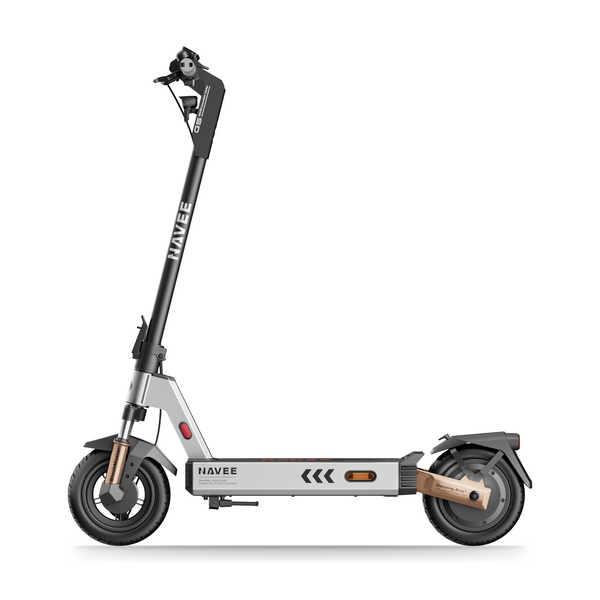
$659.99
$1,129.99
Puissance de crête de 1 000 WJusqu'à 70 km d'autonomieSuspension avant et arrièreVitesse maximale de 32 km/h
Shop Now
Puissance de la batterie et performances de la trottinette
La capacité décrit l'énergie stockée ; la puissance décrit la fourniture de courant. L'accélération et la capacité à monter les côtes dépendent de la batterie, du BMS, du contrôleur et du moteur gérant un courant suffisant. Une grande batterie ne garantit pas une forte accélération.
Le compromis entre autonomie et poids
Les batteries plus grandes peuvent convenir aux navetteurs sur de longues distances, mais rendent une trottinette plus difficile à transporter à l'étage, à charger dans un véhicule ou à emporter dans les transports en commun. Comparez le poids total de la trottinette avec la capacité de la batterie.
Le temps de charge peut également augmenter, en fonction de la puissance du chargeur et du niveau de charge initial.
Comment lire l'autonomie annoncée ?
L'autonomie annoncée est plus utile lorsque les conditions de test sont indiquées. Comparez la vitesse, le poids du cycliste, la température, le terrain et le mode de conduite, et considérez le résultat comme une référence plutôt que comme une distance quotidienne garantie.

Comment comparer une batterie pour une trottinette électrique ?
Pour la plupart des navetteurs, une batterie lithium-ion approuvée par le fabricant offre le meilleur équilibre entre autonomie, poids et portabilité. Utilisez l'ordre suivant lors de la comparaison des pages de produits.
Adaptez la capacité de la batterie à vos besoins de conduite
Commencez par votre distance aller-retour normale, pas par la plus grande batterie disponible. Choisissez ensuite une autonomie annoncée qui dépasse cette distance afin que votre trajet ait toujours une marge pour les collines, le temps plus froid, la conduite plus rapide, les détours et le vieillissement de la batterie.
Par exemple, un trajet aller-retour quotidien de 20 km nécessite plus de 20 km d'autonomie annoncée. Comparez les modèles avec une autonomie supplémentaire et des conditions de test similaires à votre utilisation. Les itinéraires plus exigeants nécessitent une plus grande réserve.
Ensuite, décidez si l'autonomie supplémentaire vaut le poids, le temps de charge et le coût supplémentaires de la trottinette. Un cycliste sur de courtes distances qui transporte sa trottinette à l'étage tous les jours pourrait bénéficier davantage d'un modèle plus léger que d'une capacité maximale.
Comparer les Wh, l'autonomie, le poids et le temps de charge
Utilisez ce tableau lors de la consultation d'une page de produit :
| Spécification | Comment l'évaluer |
|---|---|
|
Description de la batterie |
Préférez une batterie lithium-ion approuvée par le fabricant avec des spécifications clairement publiées |
|
Watts-heures (Wh) |
Comparez cela en premier lieu ; si cela manque, calculez V × Ah |
|
Autonomie annoncée |
Confirmez la vitesse et les conditions de test, puis vérifiez qu'elle dépasse votre trajet aller-retour normal |
|
Marge d'autonomie |
Prévoyez une réserve supplémentaire pour les collines, le temps froid, la conduite plus rapide, les charges plus lourdes et le vieillissement de la batterie |
|
Temps de charge |
Confirmez que la trottinette peut se recharger dans les délais de votre emploi du temps normal |
|
Poids de la trottinette |
Décidez si l'autonomie supplémentaire vaut une portabilité réduite |
|
BMS et garantie |
Recherchez des fonctions de protection documentées, une couverture de la batterie et un support de remplacement |
|
Informations de sécurité |
Vérifiez la conformité ANSI/CAN/UL 2272 publiée pour le système électrique de la trottinette et une marque de certification canadienne reconnue sur le chargeur |
Les Wh sont la comparaison de capacité la plus utile, mais aucune spécification unique ne détermine la meilleure option. La bonne batterie est celle qui couvre votre trajet avec une réserve pratique sans rendre la trottinette trop lourde ou trop lente à recharger pour votre routine.
Vérifier le BMS et les caractéristiques de sécurité de la batterie
Un système de gestion de batterie (BMS) peut protéger contre la surcharge, la décharge excessive, le courant excessif, les courts-circuits et les températures dangereuses. Vérifiez les protections publiées par le fabricant plutôt que de supposer que chaque BMS inclut les mêmes fonctions.
Santé Canada conseille d'utiliser la batterie et le chargeur d'origine, de charger à température ambiante, de ne pas charger en dessous de 0°C et d'arrêter d'utiliser une batterie gonflée, cabossée, endommagée ou anormalement chaude.
Santé Canada et Transports Canada recommandent de vérifier si un dispositif de mobilité électrique personnelle et sa batterie sont conformes à la norme ANSI/CAN/UL 2272, qui traite de l'ensemble du système électrique. Le chargeur doit afficher une marque de certification canadienne reconnue, telle que CSA, cUL ou cETL.
Vérifier la compatibilité, la garantie et le support
Confirmez que le fabricant offre une couverture de garantie de la batterie, des remplacements approuvés et un support de service. Une batterie de remplacement doit correspondre à la tension, aux dimensions, aux connecteurs, aux exigences de courant, au BMS, au contrôleur et au chargeur d'origine.
Santé Canada et Transports Canada conseillent d'utiliser des pièces de rechange d'origine et de ne pas modifier une batterie ou ajouter un bloc-batterie externe. Transports Canada avertit également que les batteries de marques ou de marchés tiers non reconnus peuvent être de qualité inférieure ou contrefaites ; les consommateurs doivent acheter auprès du fabricant ou choisir des appareils répertoriés par un laboratoire d'essai qualifié.
Dans l'ensemble, choisissez une trottinette avec suffisamment de Wh et d'autonomie annoncée pour votre trajet, une réserve utilisable, un poids et un temps de charge gérables, une protection BMS documentée, des informations de sécurité publiées et un support de remplacement fiable.
Foire aux questions sur les batteries de trottinettes électriques
Les batteries de trottinettes électriques sont-elles remplaçables ?
Certaines batteries peuvent être remplacées par l'utilisateur, tandis que les batteries internes peuvent nécessiter l'intervention d'un technicien qualifié.
Confirmez le numéro de pièce approuvé et la procédure de remplacement auprès du fabricant ou du détaillant. Une batterie n'est pas nécessairement compatible simplement parce qu'elle a la même tension.
Peut-on améliorer la batterie d'une trottinette électrique ?
N'améliorez une batterie que si le fabricant prend en charge la configuration. Une tension plus élevée ou un bloc-batterie externe peut surcharger le contrôleur, le moteur, le câblage, le chargeur ou le BMS.
Même une batterie de plus grande capacité avec la même tension peut avoir des dimensions, des connecteurs, des limites de courant ou des exigences de charge incompatibles. Les modifications non approuvées peuvent également affecter la garantie.
Combien coûte le remplacement d'une batterie de trottinette électrique ?
Le coût de remplacement dépend de la trottinette, de la capacité de la batterie, de la disponibilité des pièces, de l'expédition, des taxes et des exigences d'installation.
Vérifiez d'abord la garantie du produit. Si la batterie n'est pas couverte, demandez le prix d'un bloc de remplacement d'origine et de l'installation au fabricant, au détaillant ou à un fournisseur de services agréé.
Vaut-il la peine de remplacer la batterie d'une trottinette ?
Le remplacement peut être intéressant lorsque la trottinette est en bon état, qu'une batterie approuvée est disponible et que le coût des pièces et de la main-d'œuvre est nettement inférieur à celui d'une nouvelle trottinette.
Tenez compte du moteur, du contrôleur, des freins, des pneus, du cadre et du système de charge. Si plusieurs composants majeurs sont usés ou endommagés, le remplacement complet de la trottinette peut être plus pratique.
Comment prolonger la durée de vie de la batterie d'une trottinette électrique ?
Utilisez le chargeur approprié, suivez les instructions du fabricant et évitez la chaleur ou le froid extrêmes. Ne laissez pas une batterie déchargée inutilisée pendant de longues périodes, et inspectez-la régulièrement pour détecter tout dommage, gonflement ou surchauffe.
Pour le stockage à long terme, suivez les instructions du fabricant et vérifiez régulièrement la batterie. Pour plus de conseils, découvrez combien de temps durent les batteries de trottinettes électriques et comment charger une trottinette électrique en toute sécurité.
Choisir la bonne batterie de trottinette électrique
Lorsque vous comparez les batteries de trottinettes électriques, commencez par la distance quotidienne de votre trajet aller-retour et utilisez les Wh pour comparer la capacité. Ensuite, vérifiez les conditions du test d'autonomie, l'autonomie de réserve, le poids de la trottinette, le temps de charge, le BMS, les informations de sécurité, la garantie et le support de remplacement.
NAVEE développe des produits de mobilité électrique pour des déplacements urbains pratiques, avec des modèles conçus en fonction de différents besoins en termes d'autonomie, de performances, de confort et de portabilité. Les utilisateurs canadiens peuvent explorer les trottinettes électriques NAVEE et comparer les spécifications en fonction de leur distance quotidienne, des conditions de leur trajet et de leurs besoins de transport.
NAVEE développe des produits de mobilité électrique pour des déplacements urbains pratiques, avec des modèles conçus en fonction de différents besoins en termes d'autonomie, de performances, de confort et de portabilité. Les utilisateurs canadiens peuvent explorer NAVEE les trottinettes électriques et comparer les spécifications en fonction de leur distance quotidienne, des conditions de leur trajet et de leurs besoins de transport.