


Electric Scooter Maintenance: Essential Tips for Safe, Reliable Rides
NaveeScooters
Table of Contents
Regular electric scooter maintenance helps prevent flats, weak braking, battery trouble, and unexpected breakdowns. This guide explains what to inspect before riding, how to care for key components, and when to call a technician so you can keep your scooter safe and dependable in Canadian conditions.
Check Your Scooter Before Every Ride
A quick inspection takes only a few minutes. It can catch a developing problem before it affects your commute or causes a crash.
Inspect Tires and Tire Pressure
Check both tires for low pressure, embedded debris, cracks, bulges, and uneven wear. Pneumatic tires should be measured with a pressure gauge instead of judged by touch. Inflate them to the pressure specified in your owner’s manual or on the scooter label, not automatically to the maximum printed on the tire.
Test Brakes and Steering
Squeeze each brake lever while standing still. The lever should feel firm and should not pull all the way to the handlebar. Push the scooter forward and test the brakes at walking speed. Turn the handlebar in both directions and confirm that the steering moves smoothly without grinding, stiffness, or excessive play.
Check the Stem and Folding Mechanism
Apply the brake and gently rock the scooter forward and backward. Clunking or visible movement around the stem, headset, or folding joint requires attention. Confirm that the folding latch closes completely and that any secondary safety catch is engaged before riding.
Keep Your Tires in Good Condition
Small scooter tires work hard on potholes, gravel, road seams, and streetcar tracks. Proper care improves grip, comfort, range, and braking.
Maintain the Recommended Tire Pressure
Measure tire pressure when the tires are cold, ideally once a week and before longer trips. Underinflation increases rolling resistance and the risk of pinch flats. Excessive pressure may reduce comfort and grip. Rider weight and weather can affect performance, but any adjustment should remain within the manufacturer’s approved range.

Check for Cuts, Punctures, and Worn Tread
Rotate each wheel slowly and inspect the entire tire. Remove loose surface debris, but do not pull out an embedded object until you are ready to repair the tire. Repeated pressure loss may indicate a punctured tube, a leaking valve, damaged rim tape, or a poor tubeless seal.
Know When Tires Need Replacement
Replace a tire when the tread is worn beyond the manufacturer’s limit or when you see exposed casing, deep cracks, a bulge, or significant sidewall damage. A tire that will not remain seated evenly on the rim is also unsafe. Stop riding until it has been inspected or replaced.
Maintain Your Electric Scooter Brakes
Brakes should respond predictably in both dry and wet conditions. Any sudden change in stopping performance deserves immediate attention.
Check Brake Response and Lever Feel
Test braking in a quiet area at low speed. The scooter should slow smoothly without pulling to one side. Longer stopping distances, a spongy lever, or a lever that reaches the grip may indicate cable stretch, worn pads, hydraulic air, or a fluid leak.
Inspect Brake Pads and Discs for Wear
Look through the brake caliper to assess pad thickness. Replace the pads before the friction material is fully worn. Inspect the disc for scoring, contamination, or bending. Use the wear limits and replacement instructions in the owner’s manual because brake systems vary by model.
Address Squeaking and Brake Rubbing Early
A light occasional sound may not indicate failure, but constant rubbing can reduce range and overheat the brake. Check caliper alignment and confirm that the wheel is installed correctly. Keep oil and lubricant away from brake surfaces. Grinding, serious vibration, or poor braking means the scooter should not be ridden until repaired.
Take Care of the Battery
The battery affects range, acceleration, charging time, and long-term ownership cost. Safe handling is more important than trying to maximize every kilometer.
Use Proper Charging Habits
Use only the original charger or a replacement approved for the exact scooter model. Charge in a dry, ventilated area away from combustible items and keep the exit route clear. Do not charge a wet, damaged, swollen, or unusually hot battery.
Health Canada advises consumers to use the proper charger and avoid battery modifications or repairs unless the manufacturer recommends them. It also notes that lithium-ion batteries can overheat, leak, catch fire, or explode when used improperly.
Avoid Extreme Temperatures
Canadian winters can temporarily reduce battery range, while high summer temperatures accelerate battery stress. Store the scooter in a dry location at the temperature recommended in its manual. Do not charge a battery that is extremely cold or hot. Let it return to an approved charging temperature first.
Watch for Reduced Range or Charging Problems
A gradual loss of capacity is normal, but a sudden change may point to low tire pressure, brake drag, cold weather, charger trouble, or battery deterioration. Record the distance and conditions of several comparable rides before concluding.
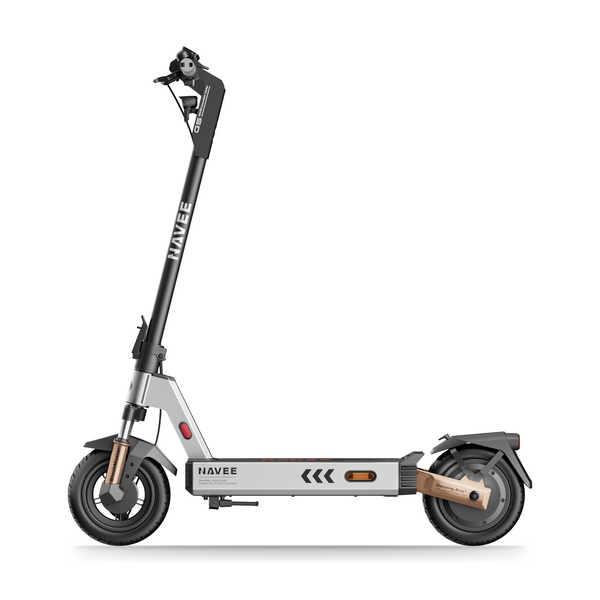
Compare your recent range with the manufacturer’s stated test conditions, not just the advertised maximum. The NAVEE G5 Max, for instance, is rated for up to 70 km when tested at 15 km/h under controlled conditions. Everyday range will vary with temperature, speed, hills, rider weight, tire pressure, and riding style. If your range drops sharply under similar conditions, inspect the tires and brakes before arranging a battery assessment.
$899.99
$1,129.99
Puissance de crête de 1 000 WJusqu'à 70 km d'autonomieSuspension avant et arrièreVitesse maximale de 32 km/h
Shop Now
Check Bolts and the Folding Mechanism
Road vibration can loosen components gradually. Regular inspections help prevent rattling from developing into steering or structural problems.
Look for Loose Bolts and Fasteners
Inspect accessible fasteners around the handlebar, stem, wheels, brakes, mudguards, deck, and kickstand. Use the correct tool and follow the manufacturer’s torque values. Overtightening can strip threads or damage parts, so avoid guessing.
Check the Stem for Wobble or Movement
Hold the front brake and rock the scooter gently. Movement near the headset or stem clamp may require adjustment or replacement parts. Do not keep riding simply because the scooter still steers. Loose steering can worsen quickly under braking or on rough pavement.
Inspect the Folding Latch for Secure Locking
Open and close the mechanism according to the manual. The latch should engage fully without excessive force or looseness. Examine the hinge and locking parts for wear, cracks, or deformation. A latch that does not lock securely requires professional inspection.

Clean and Store Your Scooter Properly
Cleaning is an opportunity to find damage that may be hidden by dirt, salt, or road grime.
Remove Dirt Without Excess Water
Turn off the scooter and disconnect the charger. Use a damp cloth and soft brush to clean the frame, deck, and wheels. Avoid pressure washing because forced water can pass through seals and reach bearings or electrical components.
Dry the Scooter Before Charging
After a wet ride, wipe the scooter dry and inspect the charging port. Wait until the scooter and connector are completely dry before plugging in the charger. Check the brakes at low speed because wet brake surfaces may respond differently.
Store It in a Cool and Dry Place
Choose a secure, ventilated area away from direct sunlight, freezing conditions, and heat sources. For long storage periods, follow the manufacturer’s recommended battery level and recharge interval. Do not assume every battery requires the same storage percentage.
Follow a Simple Maintenance Schedule
A consistent routine is easier to follow than waiting for symptoms to appear.
Pre-Ride Checks
Before each ride, inspect the tires, brakes, steering, folding latch, throttle, lights, and visible cables. Confirm that the battery has enough charge for the planned trip with a reasonable reserve.
Weekly and Monthly Inspections
Check tire pressure weekly. Every month, inspect brake wear, wheel play, fasteners, cables, mudguards, suspension, and the charging port. Riders who commute daily or travel on rough roads should inspect their scooters more often.
Seasonal Maintenance and Long-Term Storage
Clean off winter salt and inspect for corrosion. Before storage, dry the scooter and prepare the battery according to the manual. When returning to service, complete a full inspection and a low-speed test ride before entering traffic.
Know When to Get Professional Service
DIY maintenance is appropriate only when you have the correct instructions, tools, and experience.
Battery and Charging Problems
Seek qualified service for repeated charging failures, sudden shutdowns, damaged ports, swelling, unusual heat, or odours. Battery packs contain high energy cells and should not be opened or rebuilt by an inexperienced owner.
Motor or Controller Issues
Error codes, intermittent power, burnt connectors, motor grinding, and overheating may require electrical testing. Record the error code and riding conditions, then contact the manufacturer or an experienced electric scooter technician.
Serious Brake or Structural Problems
Professional inspection is appropriate for hydraulic leaks, persistent steering play, loose axles, cracked frames, damaged stems, and faulty folding mechanisms. Stop riding until safety-critical damage has been corrected.
Conclusions
Electric scooter maintenance does not need to be complicated. Check the tires, brakes, steering, and folding latch before riding. Keep the battery dry and within safe temperatures, clean the scooter gently, and investigate new sounds or performance changes early. Always follow the model-specific manual, and use professional service when a fault involves the battery, electronics, brakes, or structure.
Frequently Asked Questions
Can I Leave My Electric Scooter Charging All Night?
Avoid unattended overnight charging. Use the approved charger, follow the manufacturer’s charging instructions, and disconnect it when charging is complete. Never charge a damaged or wet scooter.
How Do I Know If My Electric Scooter Needs a New Battery?
Possible signs include sharply reduced range, sudden percentage drops, repeated cutouts, or failure to charge fully. First rule out cold weather, low tire pressure, brake drag, and charger trouble. Swelling, leaking, odour, or abnormal heat requires immediate discontinuation.
What Type of Lubricant Should I Use?
Use only the lubricant and application points specified by the manufacturer. Many bearings are sealed and do not need external oil. Never allow lubricant to reach brake discs, pads, tires, or electrical connectors.
How Do I Diagnose Electric Scooter Problems?
Begin with simple checks: battery level, tire pressure, brake drag, loose fasteners, visible cable damage, and error codes. Note when the symptom occurs. Stop troubleshooting and seek service if the issue involves heat, burning smells, damaged wiring, failed brakes, or structural movement.
What Are the Most Common Electric Scooter Problems?
Common issues include low tire pressure, punctures, worn brake pads, brake rubbing, loose fasteners, folding mechanism play, reduced battery range, charging trouble, and water related faults. Regular inspections help catch many of these problems before they interrupt a ride.