


Combien de temps durent les batteries de trottinette électrique ?
NaveeScooters
Table of Contents
La plupart des batteries de trottinettes électriques restent utiles pendant environ 2 à 4 ans ou plusieurs centaines de cycles de charge complets. La durée de vie réelle de la batterie de trottinette électrique dépend de la qualité de la batterie, de la fréquence d'utilisation, des habitudes de charge, de la température, du poids du conducteur, de la vitesse, du terrain et des conditions de stockage.
La capacité de la batterie diminue généralement progressivement plutôt que de tomber en panne à une date fixe. Une batterie vieillissante peut continuer à fonctionner mais offrir une autonomie réduite, une accélération plus faible ou une puissance instable. Son état doit donc être jugé par ses performances aussi bien que par son âge.
Quelle est la durée de vie des batteries de trottinettes électriques ?
Une batterie de trottinette électrique dure généralement plusieurs années dans des conditions d'utilisation normale. Les utilisateurs quotidiens peuvent constater une perte de capacité plus tôt car ils accumulent les cycles de charge plus rapidement, tandis que les utilisateurs occasionnels peuvent utiliser la même batterie plus longtemps.
La durée de vie de la batterie peut être mesurée de trois manières :
| Mesure | Signification |
|---|---|
|
Âge calendaire |
Nombre d'années d'utilisation de la batterie |
|
Cycles de charge |
L'utilisation cumulée de la pleine capacité de la batterie |
|
Performances utilisables |
L'autonomie et la puissance stable que la batterie peut encore fournir |
Ces mesures sont liées mais non interchangeables. Une batterie ne cesse pas automatiquement de fonctionner après un âge ou un nombre de cycles spécifique. Sa capacité diminue normalement jusqu'à ce que l'autonomie ou les performances restantes ne répondent plus aux besoins de l'utilisateur.
Durée de vie de la batterie en années et cycles de charge
Un cycle de charge complet représente l'utilisation cumulée de 100 % de la capacité de la batterie. Il n'est pas nécessaire que la batterie soit déchargée de 100 % à 0 % en une seule utilisation.
Par exemple, utiliser 50 % de la batterie lors de deux trajets distincts équivaut à environ un cycle complet. Une personne qui fait la navette tous les jours accumulera normalement des cycles plus rapidement qu'un utilisateur occasionnel.
Le vieillissement calendaire se produit également lorsque la batterie n'est pas utilisée. Les longues périodes de stockage, les températures extrêmes et le fait de laisser la batterie complètement déchargée peuvent accélérer la perte de capacité.
La meilleure façon d'évaluer la santé de la batterie est de vérifier si elle offre toujours une autonomie suffisante, si elle se charge normalement, si elle maintient une puissance stable et si elle fonctionne sans chaleur excessive ni arrêts inattendus.
Durée de vie de la batterie de trottinette électrique vs autonomie par charge
La durée de vie de la batterie de trottinette électrique et l'autonomie par charge mesurent des choses différentes. La durée de vie de la batterie est la période totale pendant laquelle la batterie reste utile. L'autonomie par charge est la distance que la trottinette peut parcourir avant d'avoir besoin d'être rechargée.
Une trottinette avec une batterie plus grande peut parcourir une plus grande distance avec une seule charge, mais cela ne garantit pas que sa batterie durera plus longtemps. La durabilité à long terme dépend toujours de la qualité des cellules, de la température, des habitudes de charge et des conditions d'utilisation.
Cependant, une plus grande autonomie utilisable peut réduire la fréquence de charge. Un utilisateur qui n'utilise qu'une partie d'une batterie plus grande chaque jour peut accumuler des cycles complets plus lentement qu'une personne qui décharge régulièrement une batterie plus petite.
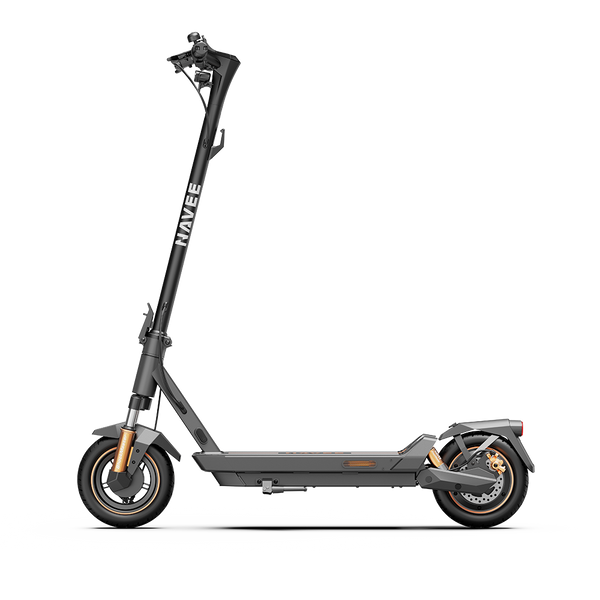
Si vous recherchez une trottinette électrique à longue autonomie, la NAVEE GT5 Max combine une batterie de 596,7 Wh avec un BMS intelligent pour une gestion efficace de l'énergie et jusqu'à 55,9 miles d'autonomie. Ses cellules lithium-ion de haute qualité garantissent des performances stables et une fiabilité à long terme.
Lecture recommandée : Trottinettes électriques légères vs longue autonomie : laquelle est la meilleure ?
$1,199.99
$1,399.99
Puissance moteur de pointe de 1 638 WJusqu'à 90 km d'autonomieSuspension avant et arrièreContrôle anti-patinage TCS
Shop Now
Qu'est-ce qui affecte la durée de vie de la batterie d'une trottinette électrique ?
La durée de vie de la batterie d'une trottinette électrique est principalement affectée par la qualité de la batterie, les habitudes de charge, la demande d'utilisation, la température et les conditions de stockage. Certains facteurs réduisent temporairement l'autonomie, tandis que d'autres accélèrent la perte de capacité permanente.
Type de batterie et qualité de fabrication
La plupart des trottinettes électriques modernes utilisent des batteries lithium-ion car elles offrent une capacité énergétique relativement élevée sans ajouter de poids excessif.
La durabilité de la batterie dépend de la qualité des cellules, de la construction du pack, du contrôle de la température et du système de gestion de la batterie. Le système de gestion de la batterie surveille la tension, le courant et la température, mais il ne peut pas empêcher les dommages causés par un impact physique, une infiltration d'eau, des chargeurs incompatibles ou des modifications non autorisées.
Choisissez une trottinette avec des spécifications de batterie claires, un support du fabricant, une garantie appropriée et un accès à des pièces de rechange approuvées.
Fréquence de charge et habitudes de charge
Chaque cycle de charge complet contribue au vieillissement normal de la batterie. Vider la batterie à plusieurs reprises jusqu'à ce que la trottinette s'éteigne peut créer un stress supplémentaire, tandis que la laisser presque vide pendant une période prolongée peut la faire se décharger davantage pendant le stockage.
Rechargez la trottinette avant que la batterie ne devienne extrêmement faible. Une charge complète peut être utile avant un long trajet, mais un court trajet ne nécessite pas toujours une recharge à 100 %.
Suivez toujours les instructions de charge spécifiques à votre trottinette, car les températures approuvées et les exigences de stockage varient selon le modèle.

Poids du conducteur, vitesse et terrain
Une trottinette consomme plus d'énergie lorsqu'elle transporte une charge plus lourde, gravit des pentes, accélère agressivement ou roule sur des surfaces rugueuses. Ces conditions réduisent l'autonomie disponible par charge et peuvent nécessiter une charge plus fréquente de la batterie.
Respecter la limite de charge spécifiée, accélérer en douceur, maintenir la pression des pneus recommandée et utiliser un mode de conduite modéré peut réduire la consommation d'énergie inutile.
Le temps froid, les vents forts, les pentes raides, les arrêts fréquents, le frottement des freins et la basse pression des pneus peuvent également réduire l'autonomie sans indiquer une défaillance permanente de la batterie.
Température et conditions hivernales canadiennes
Le temps froid entraîne généralement une réduction temporaire de l'autonomie et de la puissance de la batterie. Les performances peuvent se rétablir une fois que la batterie retrouve une température de fonctionnement appropriée.
Charger en dessous de zéro est une préoccupation plus importante. Après avoir roulé par temps froid, rentrez la trottinette dans un endroit sec et intérieur et laissez la batterie se réchauffer naturellement avant de la charger.
Une trottinette froide peut développer de la condensation lorsqu'elle est placée dans une pièce chaude. Assurez-vous que le port de charge, le connecteur et la zone environnante sont secs avant de brancher le chargeur.
Une chaleur excessive peut également accélérer la dégradation de la batterie. Évitez de charger ou de stocker la trottinette en plein soleil, à côté d'un radiateur, à l'intérieur d'un véhicule chaud ou gelé, ou dans une zone humide et mal ventilée.
Quand remplacer la batterie d'une trottinette électrique ?
Le remplacement de la batterie doit être envisagé lorsque la trottinette présente une perte d'autonomie persistante, une charge instable, des arrêts inattendus, une surchauffe, un gonflement ou des dommages physiques. Une baisse temporaire de l'autonomie par temps froid ne signifie pas nécessairement que la batterie est défaillante.
Autonomie de conduite considérablement réduite
Une perte progressive d'autonomie est normale à mesure que la batterie vieillit. Le remplacement peut être nécessaire lorsque la trottinette parcourt systématiquement beaucoup moins de distance qu'auparavant dans des conditions de température, de parcours, de charge et de mode de conduite similaires.
Avant de remplacer la batterie, vérifiez la pression des pneus, les freins, le poids du conducteur ou de la cargaison, la température extérieure, le mode de conduite et l'itinéraire. Tous ces facteurs peuvent réduire l'autonomie.
Si les conditions de conduite restent similaires et que l'autonomie continue de diminuer, contactez un fournisseur de services agréé pour une inspection de la batterie.
Charge instable ou arrêts inattendus
Une batterie défaillante peut cesser de se charger avant d'atteindre sa pleine capacité, prendre un temps de charge anormalement long ou court, perdre rapidement de la puissance, afficher des niveaux de batterie incohérents ou s'éteindre pendant une course.
Inspectez d'abord le chargeur, le câble, le port de charge et l'écran pour détecter d'éventuels dommages ou messages d'erreur. Si le problème persiste, arrêtez d'utiliser la trottinette pour les longs trajets et organisez une inspection professionnelle.
N'ouvrez pas le pack batterie et n'essayez pas de remplacer les cellules individuelles vous-même.
Surchauffe, gonflement ou dommages physiques
Un gonflement, une chaleur excessive, une fuite, des fissures, des odeurs inhabituelles, des sifflements, des claquements ou de la fumée sont des avertissements de sécurité graves. Arrêtez de rouler et de charger la trottinette immédiatement si l'un de ces signes apparaît.
Ne percez pas, ne comprimez pas, ne modifiez pas et n'essayez pas de réparer la batterie. Contactez le fabricant ou un technicien agréé pour obtenir des instructions supplémentaires.
Les batteries lithium-ion endommagées et usées doivent être déposées dans une installation de traitement des batteries ou des déchets dangereux approuvée par la municipalité plutôt que d'être jetées avec les ordures ménagères.

Comment prolonger la durée de vie de la batterie d'une trottinette électrique ?
Vous pouvez prolonger la durée de vie de la batterie de votre trottinette électrique en évitant les décharges profondes répétées, en utilisant le bon chargeur, en contrôlant la température de la batterie et en rangeant correctement la trottinette. Un bon entretien ne peut pas empêcher le vieillissement normal, mais il peut réduire le stress évitable de la batterie.
Évitez de vider complètement la batterie fréquemment
Ne roulez pas régulièrement jusqu'à ce que la trottinette s'éteigne. Rechargez avant que la batterie ne devienne extrêmement faible, surtout si la trottinette doit être stockée par la suite.
Il n'est pas nécessaire de maintenir un pourcentage de batterie exact pendant l'utilisation quotidienne. L'objectif principal est d'éviter les décharges complètes répétées et les longues périodes avec une batterie presque vide.
Utilisez le bon chargeur
Utilisez le chargeur fourni avec la trottinette ou un remplacement approuvé par le fabricant. Un connecteur qui s'adapte au port de charge peut toujours avoir une tension, un courant, une polarité ou des contrôles de sécurité incorrects.
Suivez les étapes correctes lorsque vous chargez une trottinette électrique pour réduire les risques de dommages à la batterie, de surchauffe ou d'incendie.
N'utilisez pas de câbles endommagés, de connecteurs desserrés, de câblage improvisé ou de chargeurs conçus pour un autre appareil.
Laissez la batterie atteindre une température sûre avant de la charger
La batterie peut rester chaude après un long trajet, des accélérations répétées ou la montée d'une pente. Laissez-la refroidir naturellement dans un endroit sec et ventilé avant de brancher le chargeur.
Après avoir roulé par temps de gel, laissez la trottinette revenir à température ambiante. Ne chargez pas la batterie tant qu'elle est en dessous de zéro ou tant qu'il y a de l'humidité autour du port de charge.
Rangez la trottinette à environ 50 % de charge
Pour un stockage prolongé, Santé Canada recommande de maintenir les batteries lithium-ion plus grandes à environ 50 % de charge. Vérifiez la batterie environ tous les trois mois et rechargez-la à environ 50 % si nécessaire.
Ne laissez pas la trottinette complètement déchargée pendant tout l'hiver. Si le fabricant fournit des instructions de stockage différentes pour votre modèle, suivez d'abord ces instructions.
Gardez la batterie dans un endroit sec et intérieur
Rangez la trottinette à température ambiante dans un endroit sec, à l'abri de la lumière directe du soleil, des températures extrêmes, des matériaux inflammables et d'autres batteries.
Un garage canadien non chauffé peut ne pas convenir si les températures tombent en dehors de la plage de stockage approuvée par le fabricant. L'humidité et la condensation peuvent également affecter les connexions de la batterie et le port de charge.
FAQ sur la durée de vie de la batterie des trottinettes électriques
À quelle fréquence faut-il charger une batterie de trottinette électrique ?
Chargez la batterie lorsqu'elle n'a pas assez de puissance pour votre prochain trajet ou avant qu'elle ne devienne extrêmement faible. Les utilisateurs quotidiens peuvent charger plus fréquemment que les utilisateurs occasionnels. Évitez de laisser la batterie presque vide pendant une période prolongée.
Faut-il charger une trottinette électrique après chaque trajet ?
Pas toujours. Un court trajet peut laisser suffisamment de puissance pour le prochain déplacement. Chargez après chaque trajet lorsque vous avez besoin d'une autonomie supplémentaire, mais ne rechargez pas automatiquement à 100 % après chaque court trajet, sauf si le fabricant le recommande.
Pourquoi la batterie de ma trottinette électrique se décharge-t-elle si vite ?
Une décharge rapide de la batterie peut être causée par le froid, une faible pression des pneus, des charges lourdes, des pentes raides, une accélération agressive, le frottement des freins, un vent fort ou le vieillissement de la batterie. Si le changement est soudain ou accompagné d'une surchauffe, de problèmes de charge ou d'arrêts inattendus, cessez d'utiliser la trottinette et organisez une inspection.
Le temps froid endommage-t-il de façon permanente une batterie de trottinette électrique ?
Le temps froid entraîne généralement une perte temporaire d'autonomie et de puissance. Cependant, charger une batterie en dessous de zéro ou la stocker en dehors de la plage de température approuvée peut causer des dommages durables. Laissez la trottinette se réchauffer naturellement dans un endroit sec et intérieur avant de la charger.
La batterie d'une trottinette électrique peut-elle être remplacée ?
De nombreuses batteries de trottinettes électriques peuvent être remplacées, mais le remplacement doit être compatible avec la tension, les dimensions, le connecteur, le système de gestion de la batterie et le chargeur de la trottinette. Utilisez une batterie d'origine ou approuvée par le fabricant et faites-la installer par un technicien agréé.
Conclusion : Maximiser la durée de vie de la batterie de votre trottinette électrique
Les batteries de trottinettes électriques durent généralement de 2 à 4 ans, selon l'utilisation, les habitudes de charge, la température et les conditions de stockage. Une charge et un stockage appropriés peuvent aider à réduire la dégradation inutile de la batterie.
Explorez NAVEE Canada pour trouver une trottinette électrique adaptée à vos trajets quotidiens. Choisissez NAVEE pour une autonomie pratique, des performances fiables et un support fiable au Canada.